Lebanon’s olive oil exports fell by more than half in the first seven months of 2026, dropping to 2,575 tons from 5,559 tons in the same period last year, as ongoing conflict disrupted transportation and cut farmers off from groves in the south.
Export Value Fell Just as Sharply
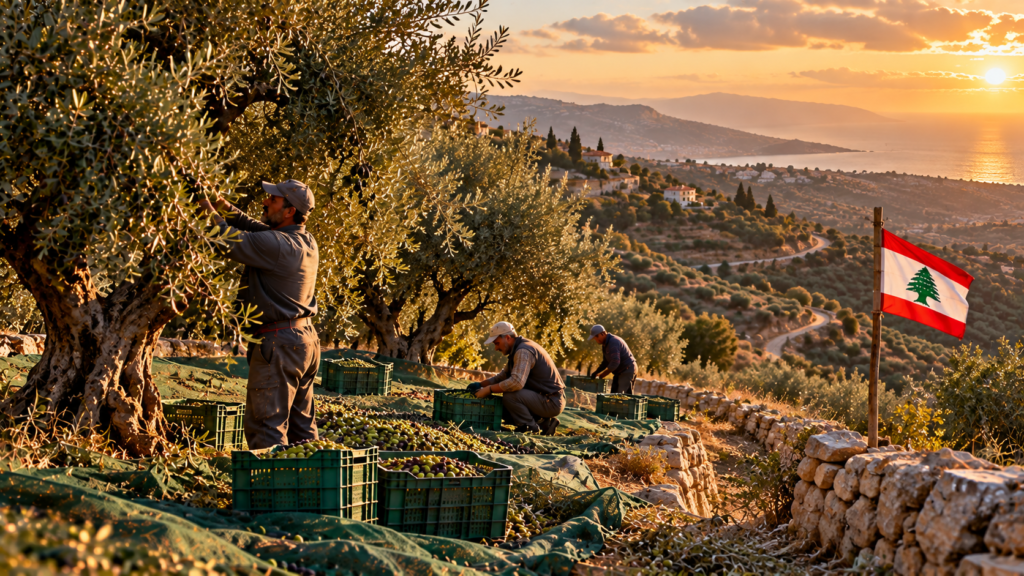
Export value dropped an almost identical 52.3%, from 2.28 trillion Lebanese liras (about €21.7 million) to 1.09 trillion liras (about €10.7 million), according to official trade figures reported by Olive Oil Times. Production itself held up far better than exports: the International Olive Council estimates Lebanon produced 19,000 tons of olive oil in 2024/25 and 19,500 tons in 2025/26, even though Agriculture Minister Nizar Hani had earlier projected a 40 percent drop for the season. Producers say the gap between stable output and collapsing exports comes down to logistics and reputation rather than a shortage of oil: rising shipping costs, added security checks on the route to Beirut, and buyer hesitation over oil grown near conflict areas are all weighing on sales, even as farmers around Deir Mimas prepare to harvest trees many haven’t been able to reach in three years.
Why Buyers Are Looking Beyond Lebanon
For importers used to sourcing from Lebanon, a transport route to Beirut that now takes three to four hours longer, plus renewed questions about supply reliability, are pushing many to diversify toward steadier producing countries. Tunisia has moved the other way this season: Olive Oil Times reported on October 2 that Tunisian olive oil exports are surging, even if most still leaves the country in bulk rather than under Tunisian brands. Buyers weighing a disrupted Lebanese supply against a stable, growing exporter like Tunisia can review the steps for sourcing bulk Tunisian olive oil directly from established suppliers who offer predictable shipping schedules.
Sponsored Placement
Reach international olive oil buyers and importers. Advertise your business right here.
FAQ
Why have Lebanon’s olive oil exports dropped so much in 2026? Lebanon’s olive oil exports fell 53.7% in the first seven months of 2026 because conflict in the south disrupted transportation, restricted farmers’ access to their groves, and raised buyer concerns about oil from affected areas — not because of a shortage in production.
Is olive oil from Lebanon’s conflict-affected areas still safe to buy? Independent lab testing commissioned by producers in September 2026, including samples analyzed in Jaén, Spain, found olive oil from the affected Deir Mimas area below reference limits for pesticides, heavy metals, and radionuclides, with no significant contamination detected.
Sponsored Placement
Reach international olive oil buyers and importers. Advertise your business right here.