Tunisia’s government is leaning on a package of subsidies, storage capacity, and a sector-wide strategic study to carry its record 2025/26 olive campaign through to export, according to Tunisian economic outlet Webdo.
What’s on the table
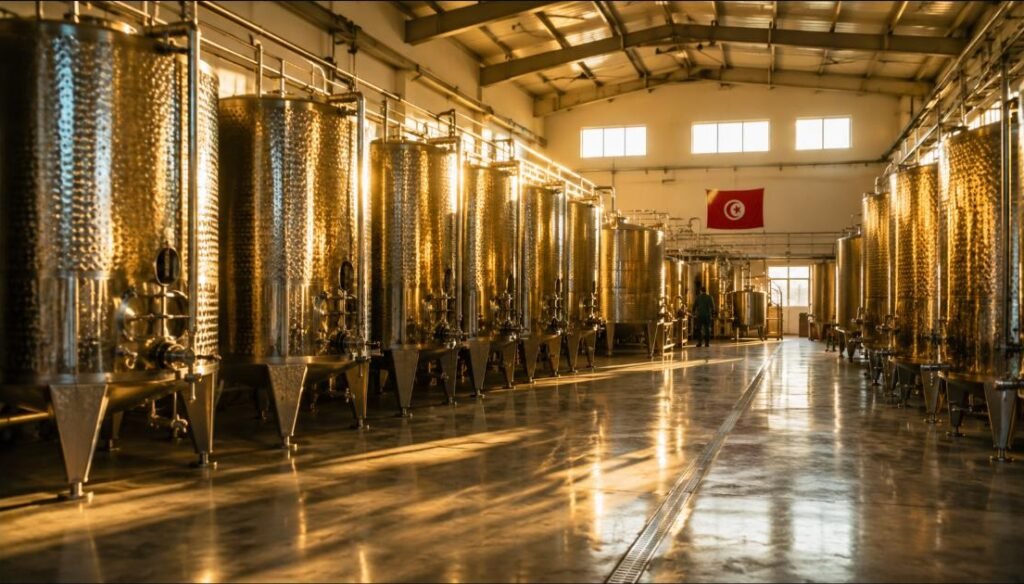
Small producers can now access subsidies from the Agricultural Investment Promotion Agency (APIA) to buy harvesting equipment. Separately, the National Oil Office (ONH) is running a storage program covering 100,000 to 150,000 tonnes of oil, with bonuses and additional subsidies offered to farmers who use it — a buffer meant to smooth out sales rather than forcing a rushed sell-off at harvest.
A longer-term rethink
Alongside the immediate season, the government has launched a strategic study of the olive sector covering production, financing, valorization, and export, plus a restructuring plan for the ONH itself. Separately, olive tree planting is being supported in regions historically affected by instability, part of a push to grow Tunisia’s bottled — not just bulk — oil exports and build a stronger identity for Tunisian olive oil abroad.
Sponsored Placement
Reach international olive oil buyers and importers. Advertise your business right here.
FAQ
Why does storage capacity matter for a record harvest? Without enough storage, producers are forced to sell quickly at harvest-time prices. A 100,000–150,000 tonne buffer lets the country release oil onto the market more strategically.
Does this affect buyers sourcing from Tunisia right now? Longer term, yes — a restructured ONH and more bottled-export capacity are steps toward more consistent quality and supply for international buyers, not an immediate change to this season’s contracts.
Source: Webdo
Sponsored Placement
Reach international olive oil buyers and importers. Advertise your business right here.