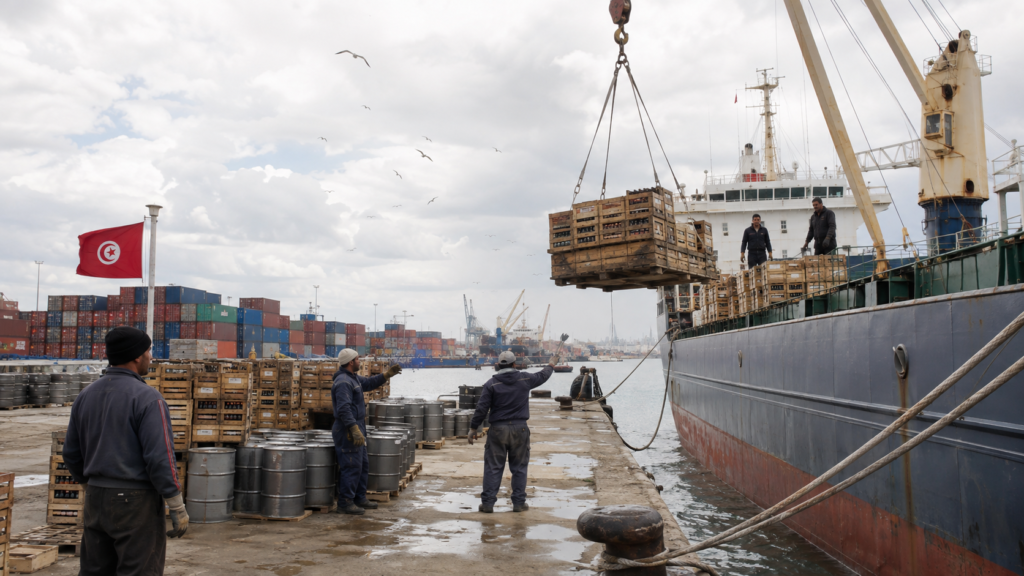
Tunisia’s olive oil exports jumped 55.3% to a record 368,000 metric tons in the first nine months of the 2025/26 season, earning the country $1.6 billion in export revenue — up 44.4% from a year earlier, according to official data from Tunisia’s National Observatory of Agriculture reported by Reuters.
A record-breaking season
Olive oil is Tunisia’s top agricultural export and a vital source of foreign currency, and this season’s surge is providing a significant boost to the country’s finances as the government works through persistent economic and fiscal pressure. The jump was driven by strong global demand over the first nine months of the season, which began in November, alongside a much larger harvest than in previous years. Extra virgin olive oil made up 83.6% of total shipments, underlining the quality of this year’s crop.
Where the oil is heading
More than 70 countries imported Tunisian olive oil during the period. The European Union remained the largest single destination, absorbing 57.1% of exports, while North America took 24%. Smaller but meaningful volumes went to Saudi Arabia (4.6%), Jordan (3.1%), Egypt (3.3%) and other African markets (3.8% combined). Bottled olive oil exports — the higher-value, branded end of the business — rose 50.8% to 51,500 tons, though bulk shipments still account for the large majority of volume, a reminder of how much value Tunisia has yet to capture by bottling and branding more of its own oil.
Sponsored Placement
Reach international olive oil buyers and importers. Advertise your business right here.
FAQ
Why did Tunisia’s olive oil exports jump so sharply this season? A much larger 2025/26 harvest met strong global demand during the first nine months of the season, which began in November, pushing shipment volumes up 55.3% to a record 368,000 metric tons, according to Tunisia’s National Observatory of Agriculture.
Which markets buy the most Tunisian olive oil? The European Union is by far the largest buyer, taking 57.1% of exports, followed by North America at 24%. Saudi Arabia, Jordan, Egypt and other African markets each import smaller but growing volumes.
Source: Asharq Al-Awsat (Reuters)
Sponsored Placement
Reach international olive oil buyers and importers. Advertise your business right here.